The soul is the piano with many strings.
The artist is the hand that plays, touching one key or another, to cause vibrations in the soul.
Vasilij Vasil’evič Kandinskij, Concerning the Spiritual in Art
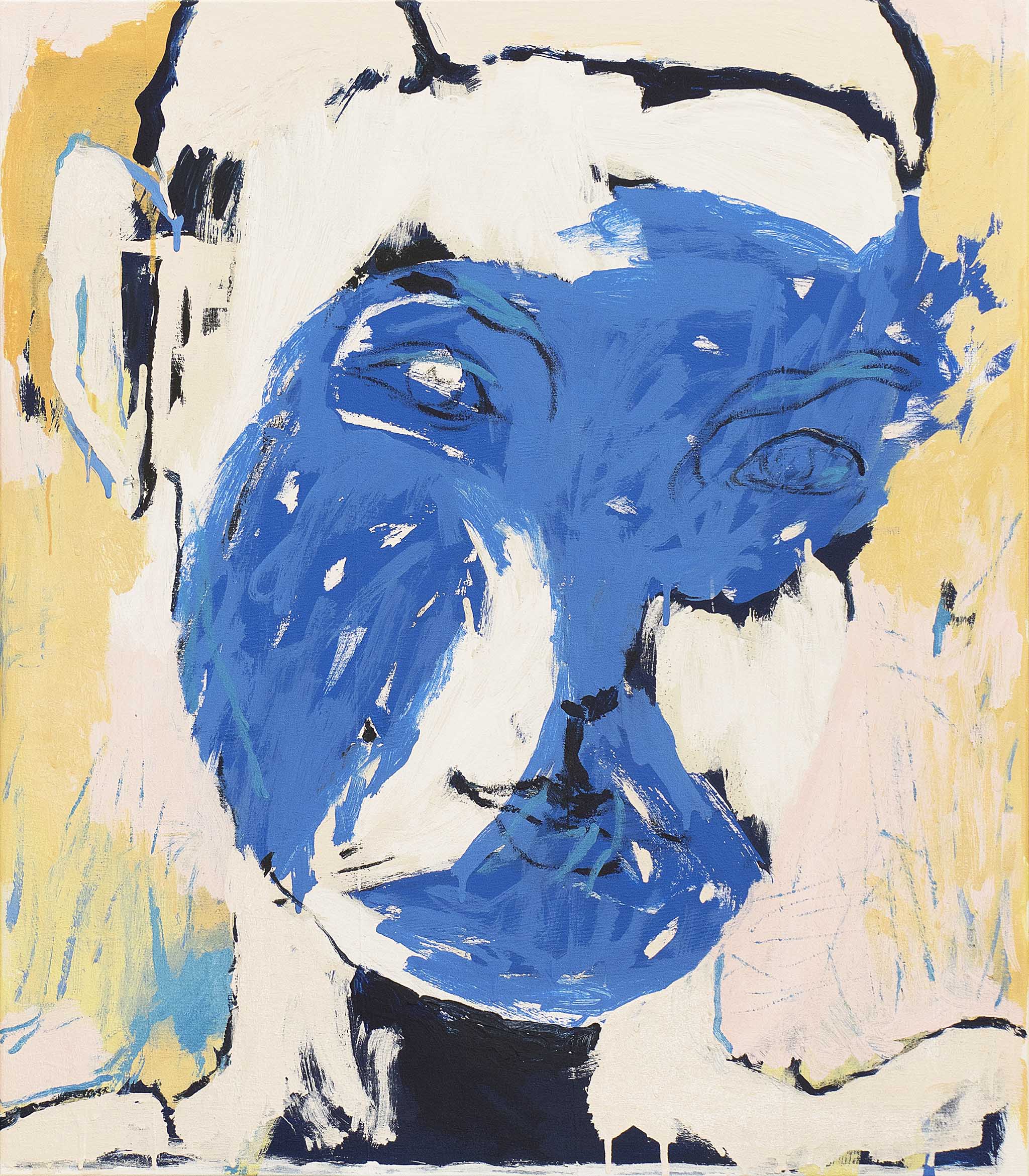
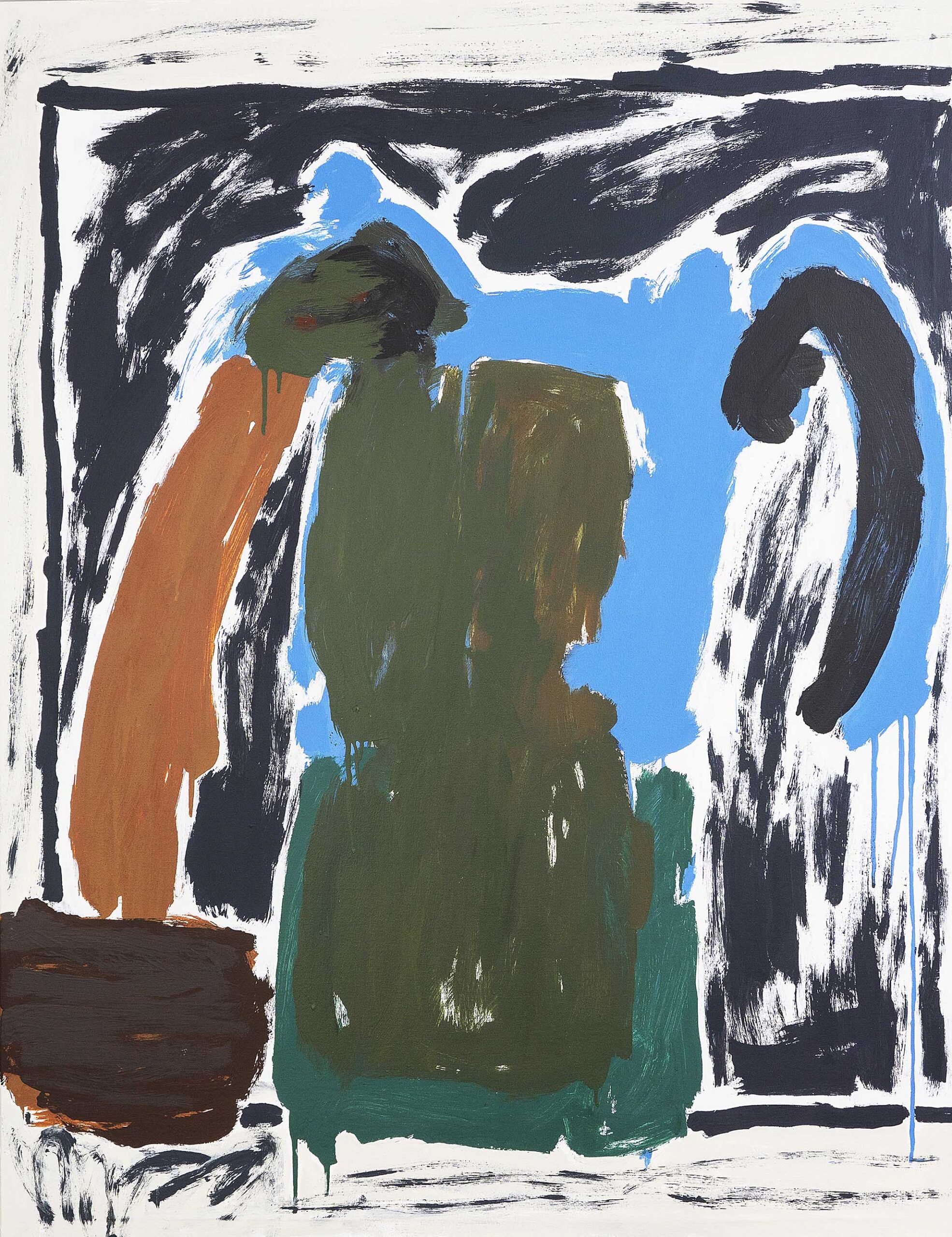
In the works of artist Maria Lepkowska, one strongly senses the urgent and essential need to express her inner creative force through artistic gestures. This force finds its broadest expressions in the depiction of everyday subjects and objects, where the natural order of things is overturned to create space for new interpretations. In her creations—whether they be canvases, performances, videos, or multi-material installations—the guiding principle is that of an inner necessity. This inner need compels her to express the soul of things, ultimately shaping the birth of form in her art.
Her forms are barely sketched, hinted at, leaving ample interpretive space for the viewer, fully aware that human existence cannot be confined within predefined schemes but rather invites an ongoing multiplicity of interpretive inquiries. Her work often reveals a stripping away of bodies, which become rough, abraded in their shapes, as color seeps into them, creating a layering of emotions that probes the psychology of the depicted subject. The analysis of human existence drives the artist toward an essential and inevitable search for the vitality of things, manifesting in the relentless fluctuation of human life. It is a slow yet inexorable flow that carries with it time, bodies, affections, visions, and certainties. This is the continuous movement of life, following its cycle like a perpetual dance, silently changing beneath the apparent stillness of everyday life, carving into the reality of the present like a river in full flow. Lepkowska’s works offer the audience multiple points of reflection, particularly through their interpretive framework, which should be understood from a holistic vision of the world. In each of her pieces lies a comprehensive worldview, where humanity and the world are interpreted as a whole rather than as separate entities. This complex approach opens new horizons, allowing us to analyze events and ourselves with fresh eyes, new perceptions, providing the opportunity to achieve harmony between mind, body, and spirit. This foundational theme in her artistic production is widely reflected in her video art, action painting, and multi-material installations, where the use of materials such as rope, jute, raffia, and cotton creates intricate textures, interweaving stories, worlds, and experiences in an open-ended and ever-evolving narrative. This same fluidity can be felt in her canvases, where graphic signs contribute to forming images that are then stripped of their real perception, making way for the manual gesture that translates shapes and expressions through line and color. Whether sparse or abundant, bright or dark, the color is always self-referential, as it defines the psychological rendering of the world she represents and interprets.
Her artistic production is thus imbued with the interference of chance, of contingency, which shapes reality and the destiny of humans. We are all ”hanging by a thread,” that thin thread the Fates arbitrarily wove in antiquity to decree the fate of men. Each of her works is filled with punctuation marks that create textures, pauses, reflections, and temporal suspensions, all designed to prompt the viewer into deep and personal reflection on their place in the world. We are an indefinite multitude of living beings inhabiting a world in constant flux. Our movement, our physical and psychological transformations, are continuous and inexorable, following the world’s ever-changing nature according to its physical and entropic laws of matter transformation. By adhering to this principle, we too are transformed, modulating our being along the circular wave of time. In her works, Maria Lepkowska weaves matter itself, and in the performances she creates, she becomes the artistic material, blending and merging with the creative gesture, music, and dance. In doing so, she performs an ancient purifying ritual that restores balance between body and spirit.
With this awareness of intent, she presents her works, which are always the result of a deep and intricate vision that remains open to the world. Her art reinterprets reality through holistic or apocalyptic visions, where a molten, chaotic matter seems to take over, yet ultimately offers a possible glimmer of hope—an opening toward a future vision of peace, in which the potential salvation of humanity and the world can be glimpsed.
Cassino, 16 settembre 2024
Elena Gradini